Belt Conveyors About
Conveyor belts are essential for moving items in industries like manufacturing, mining, logistics, and food processing, automating tasks from assembly lines to warehousing, and handling bulk materials like coal or grain, as well as packaged goods, improving efficiency, speed, and safety by reducing manual labor and enabling continuous flow of products
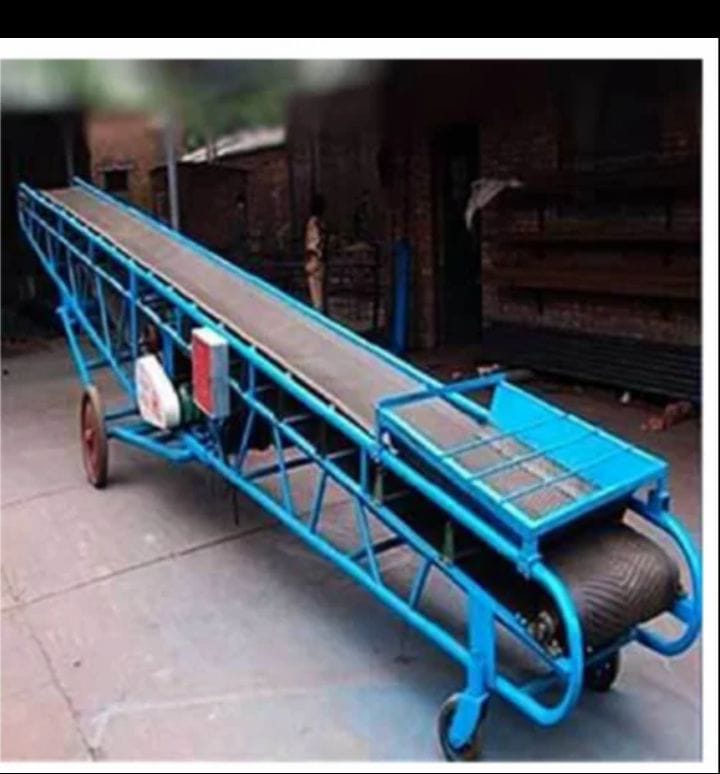
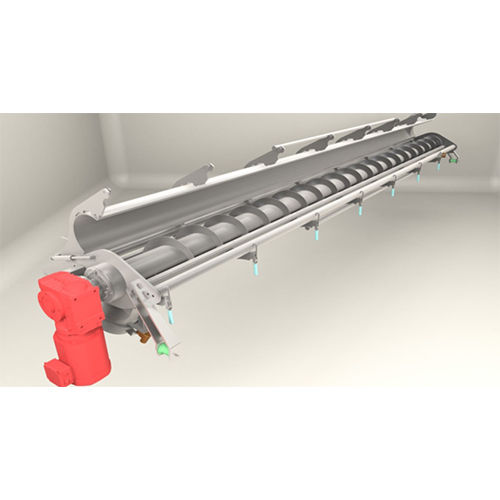
A conveyor belt is a continuous, moving loop of material (rubber, fabric, metal, or plastic) powered by motors to transport items, materials, or products from one location to another. Supported by rollers or a flat surface, it is a crucial material handling system used in industries like manufacturing, mining, and airports for efficient, automated transport.
Key Aspects of Conveyor Belts:
Structure: Comprised of a belt (carrying surface) and a conveyor system (pulleys, idlers, motor, frame).
Function: Driven by a powered pulley (drive pulley), the belt moves, reducing the need for manual handling.
Materials: Often made of robust, durable materials designed to handle heavy, sharp, or bulk items, such as rubber, fabric, or specialized metal covers.
Applications: Commonly used for moving packages in post offices, luggage in airports, and raw materials in factories or mines.
Types:
Flat Belt: For general horizontal transport.
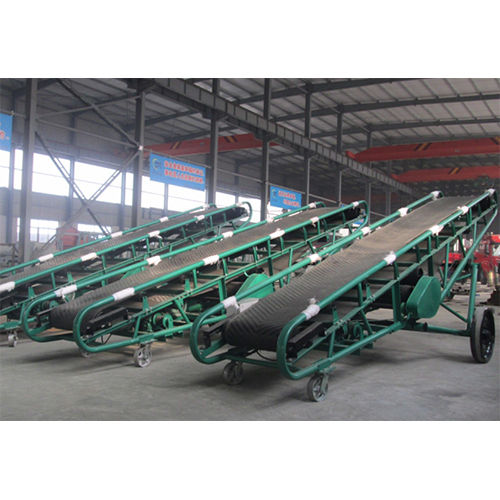
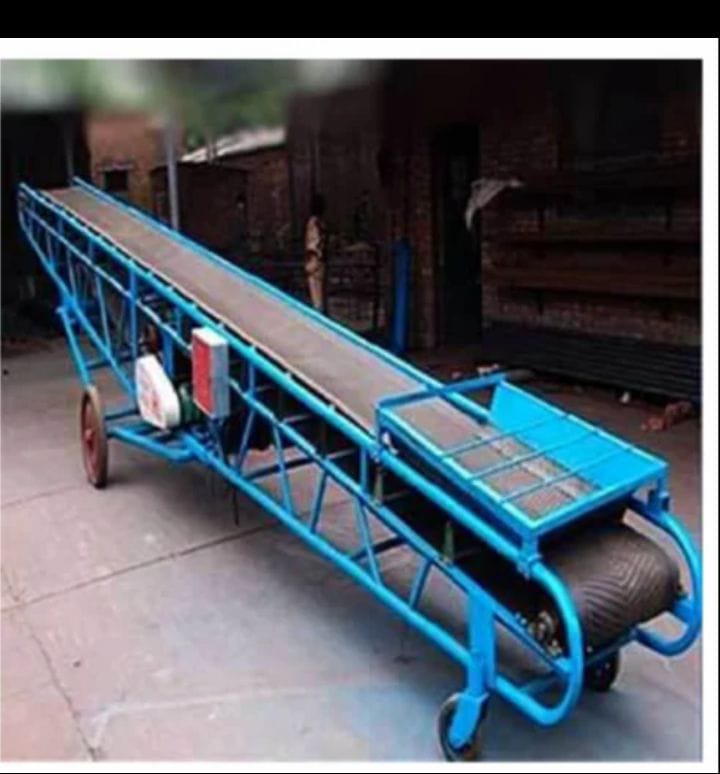
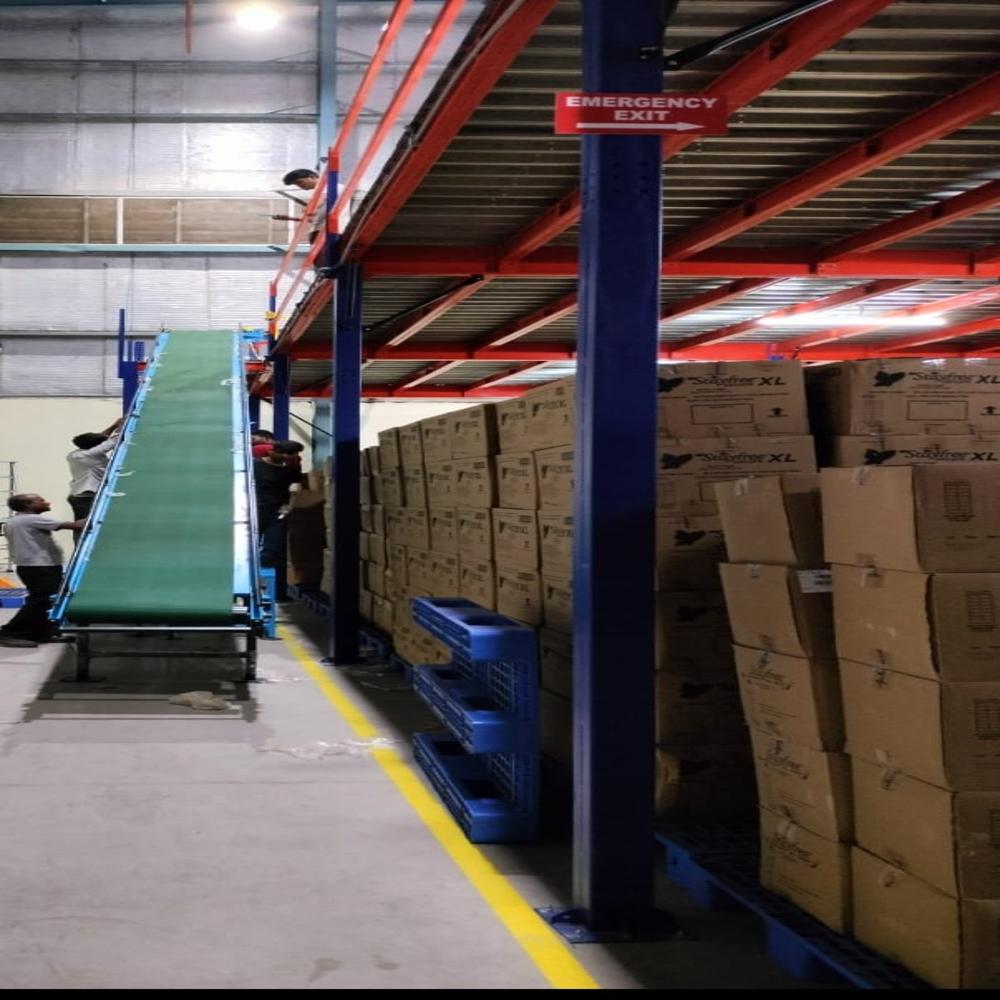
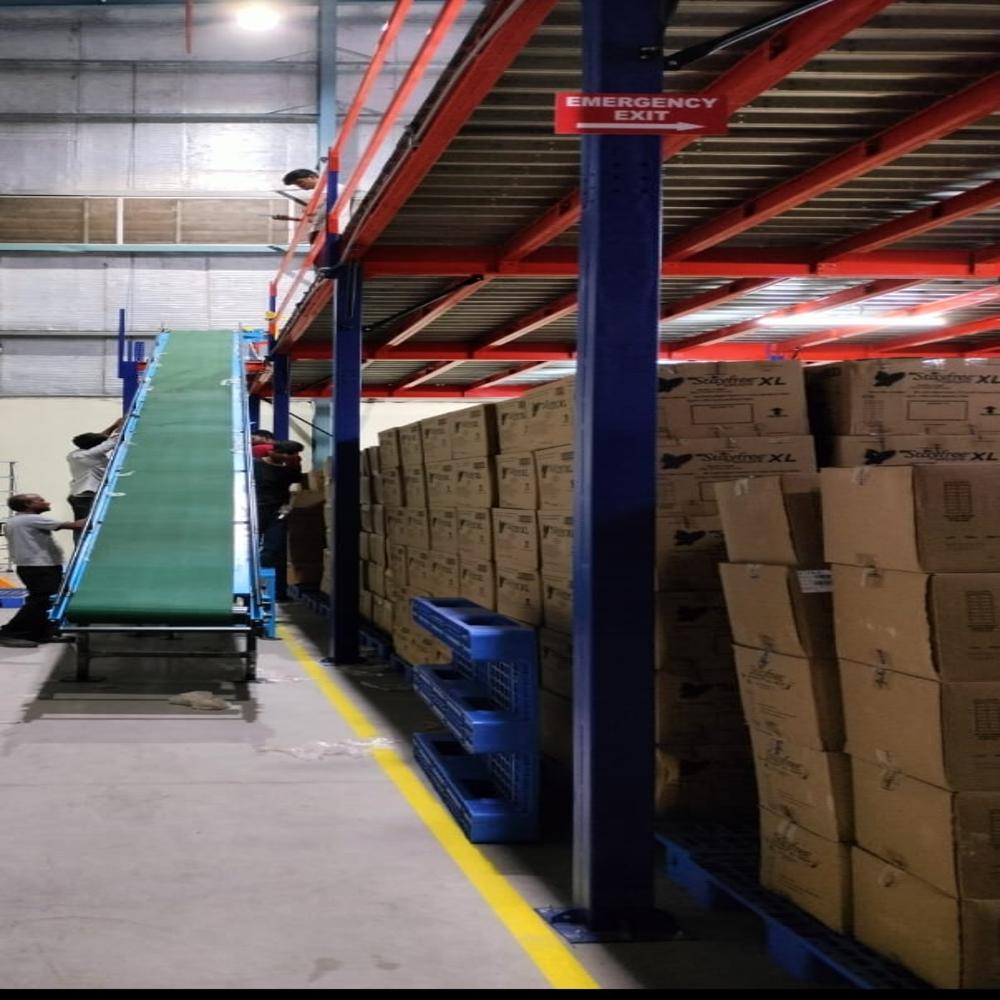
Inclined/Decline: For moving items between different elevations.
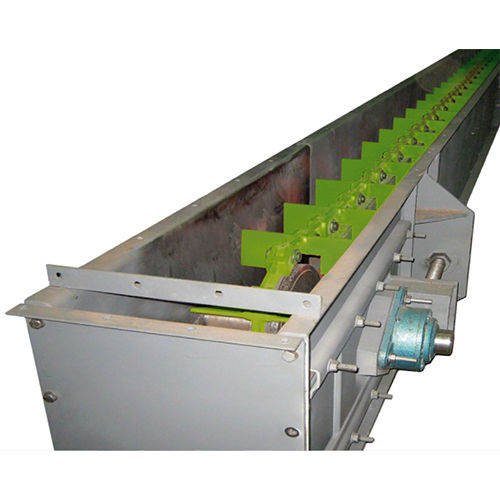
Cleated/Modular: For specialized, high-load, or steep-incline applications.
Conveyor belts improve speed, efficiency, and safety in production lines,, sorting systems, and loading docks.
Versatile Industrial ApplicationsOur belt conveyors are designed to handle diverse industrial tasks, specifically for loading and unloading processes. Their adaptability makes them suitable for warehouses, logistics hubs, factories, and other environments requiring swift material transfer. With a robust construction and customizable features, these conveyors increase productivity across various sectors.
Reliable Design and PerformanceCrafted with precision, each belt conveyor is manufactured from high-quality materials ensuring reliable operation. The flat belt design, vast width, and impressive speed help facilitate seamless movement of materials. Engineered for stability and durability, these conveyors deliver consistent performance, even under demanding industrial workloads.
Customizable for Your NeedsOur conveyors can be tailored in color and other specifications to fit your facility's unique requirements. Whether you are looking to match company branding or specific operational needs, our team can deliver flexible solutions. As experienced exporters and suppliers, we prioritize customer satisfaction through bespoke manufacturing.
FAQ's of Belt Conveyors:
Q: How does the belt conveyor benefit industrial loading and unloading operations?
A: The belt conveyor streamlines loading and unloading by providing a fast, reliable means to move materials up to 100 meters in length, reducing manual labor and improving workflow efficiency in industrial environments.
Q: What is the process for installing a 100-meter belt conveyor in my facility?
A: Installation begins with a site assessment, followed by preparing the area, assembling the conveyor framework, and securely fitting the flat belt. Our team ensures proper alignment, speed calibration, and thorough operational testing before handing over.
Q: When should the conveyor be maintained for optimal performance?
A: Regular maintenance is recommended every three to six months, depending on usage intensity. Routine checks on the belt, motor, and structure help prevent unexpected breakdowns and prolong the conveyor's lifespan.
Q: Where can this belt conveyor be effectively utilized?
A: This conveyor is ideal for industrial settings such as factories, warehouses, and logistics centers in need of efficient material transfer over long distances, especially for loading and unloading applications.
Q: What load capacity does this belt conveyor support?
A: The conveyor is designed to handle loads of up to 50 kilograms, making it suitable for various medium and light material handling tasks common in industrial sectors.
Q: How customizable is the conveyor to fit my facility's requirements?
A: We offer customization in color and other specifications to match your operational needs, ensuring the conveyor integrates seamlessly with your facility's layout and branding.
Q: What warranty coverage is provided with these belt conveyors?
A: Each belt conveyor comes with a 5-year warranty, reflecting our confidence in product quality and offering peace of mind concerning repairs and replacements.






 Send Inquiry


 Send Inquiry
 Send Inquiry
 Send SMS


