About
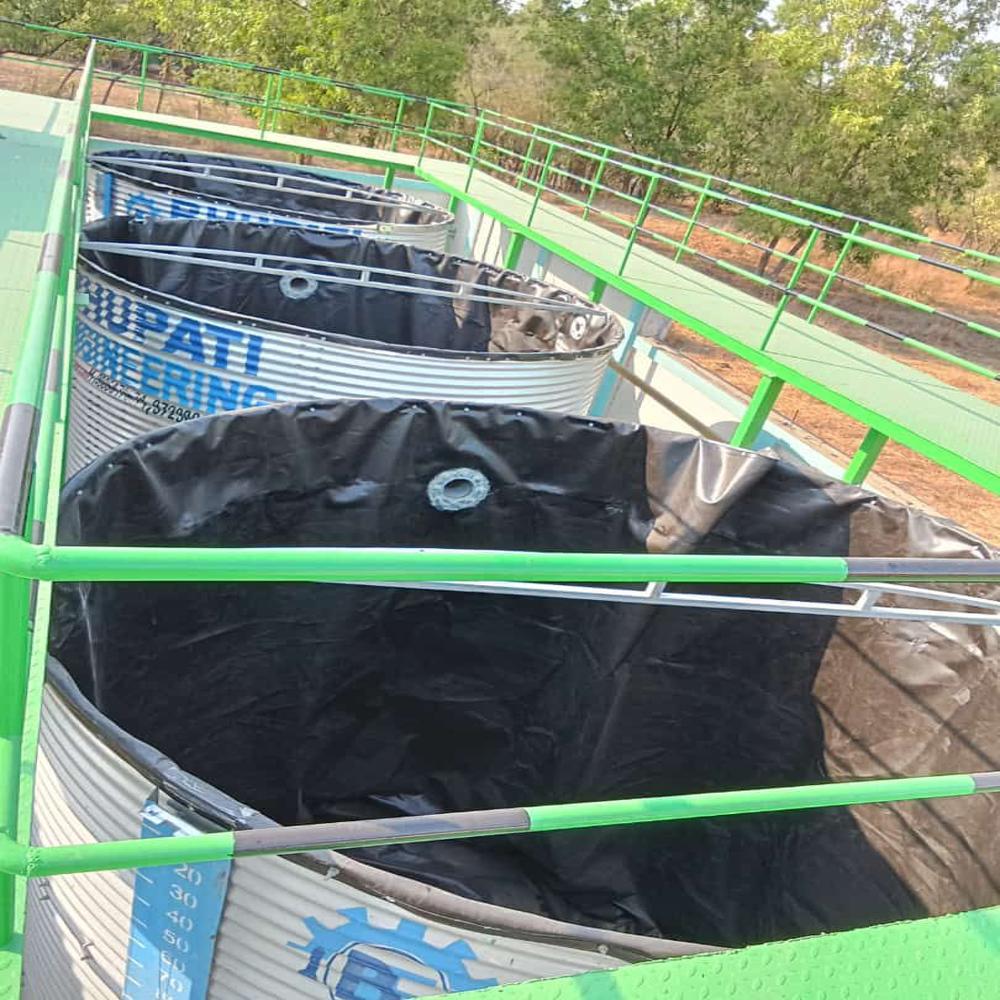
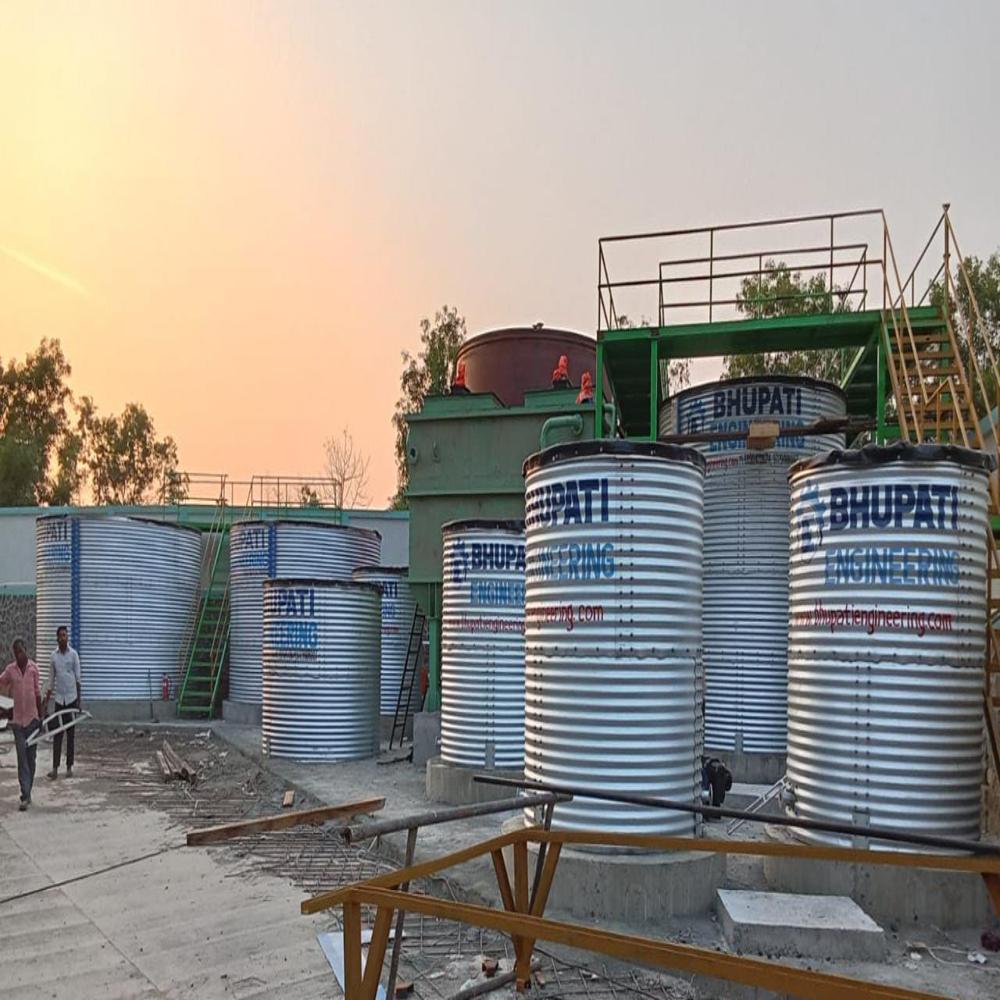
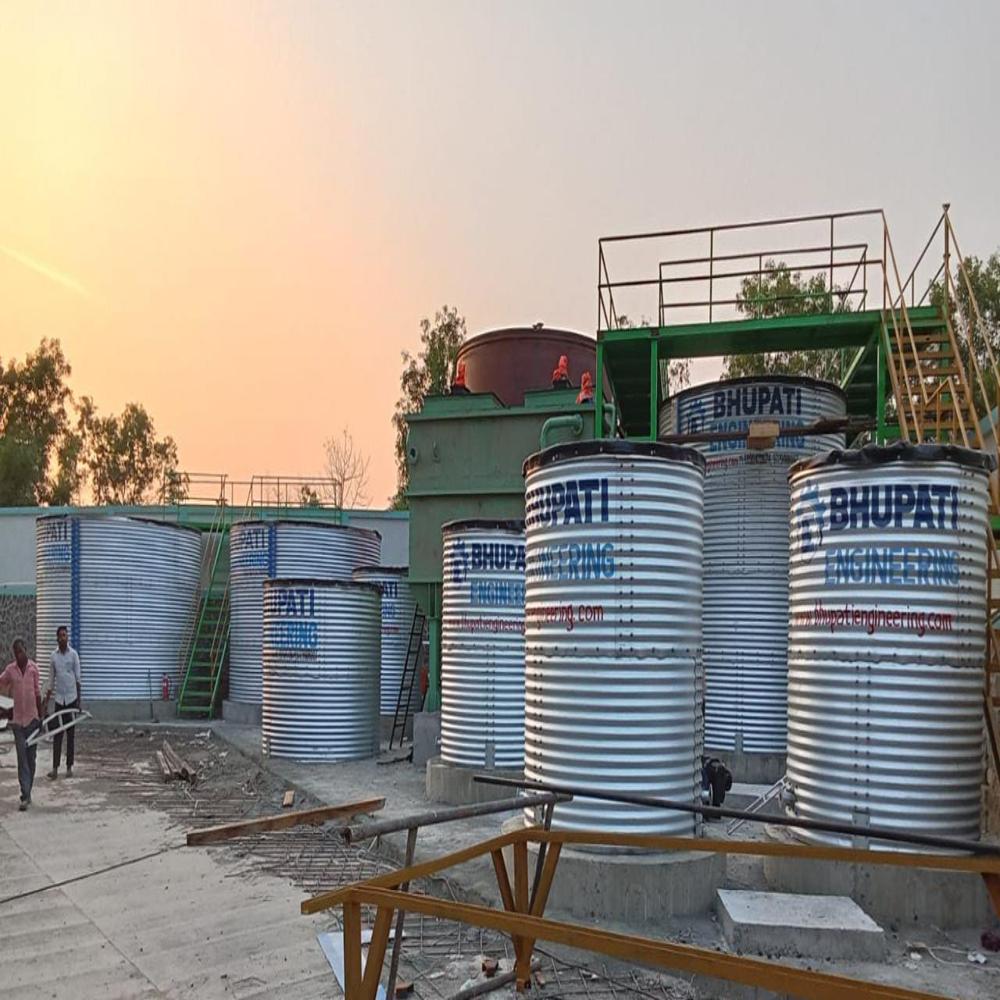
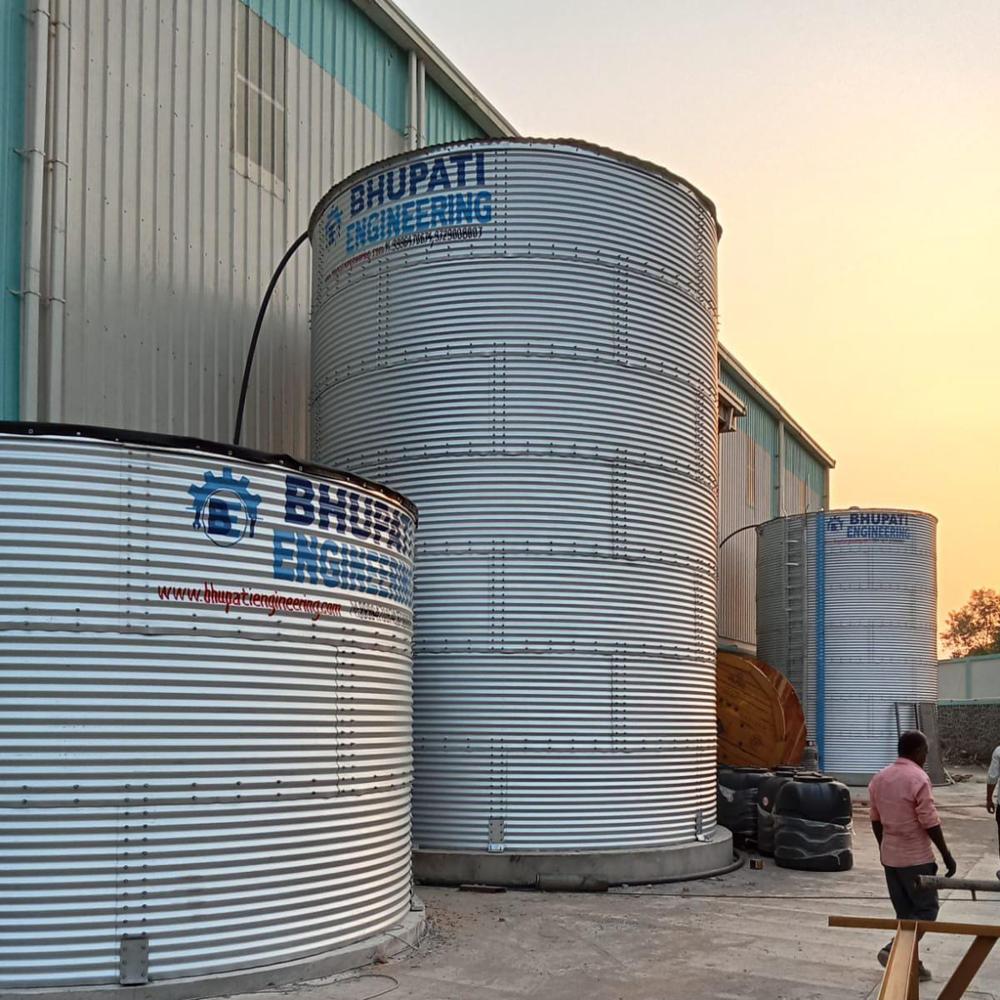
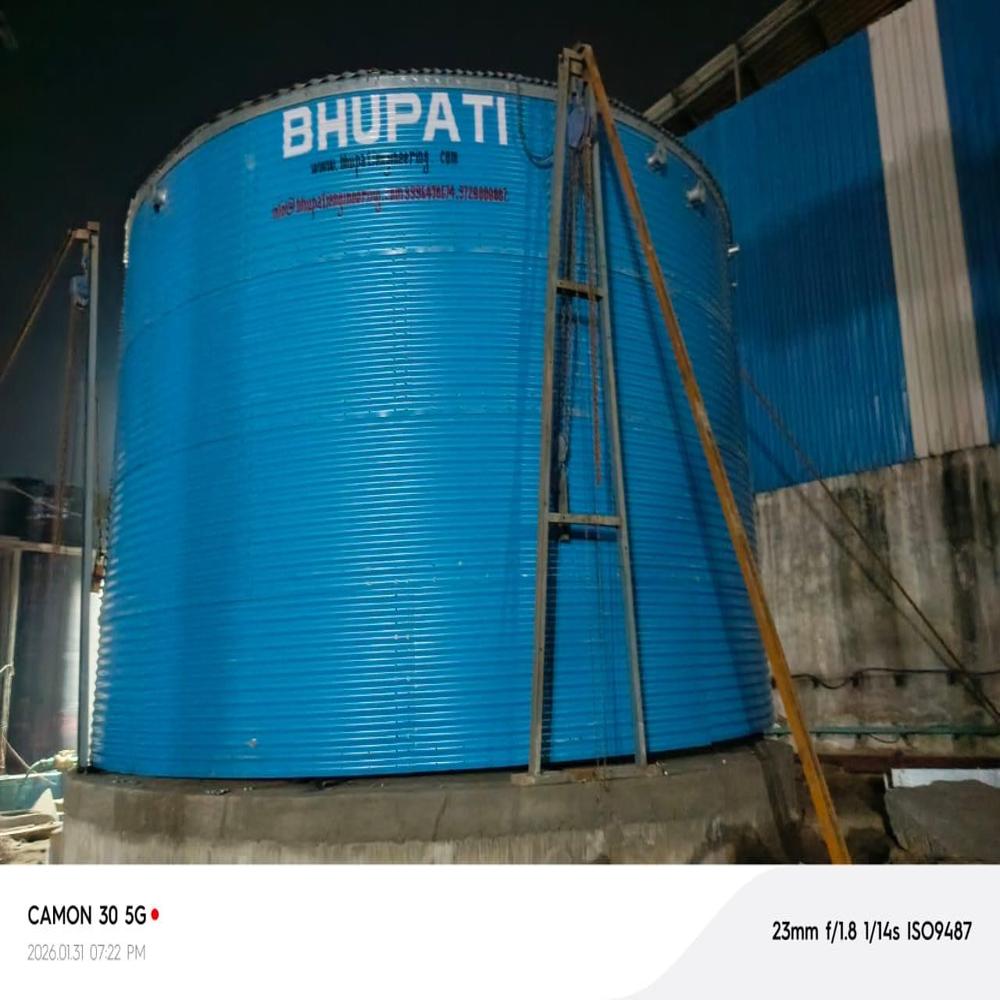
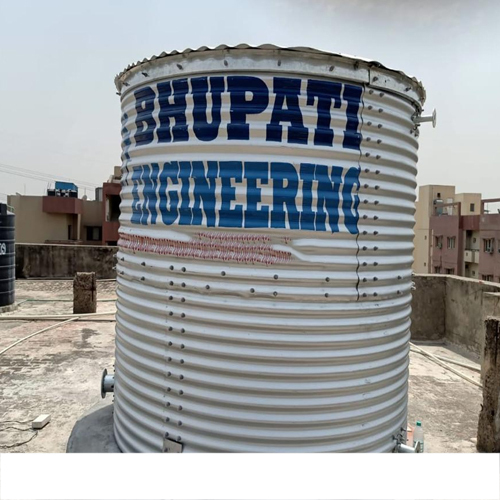
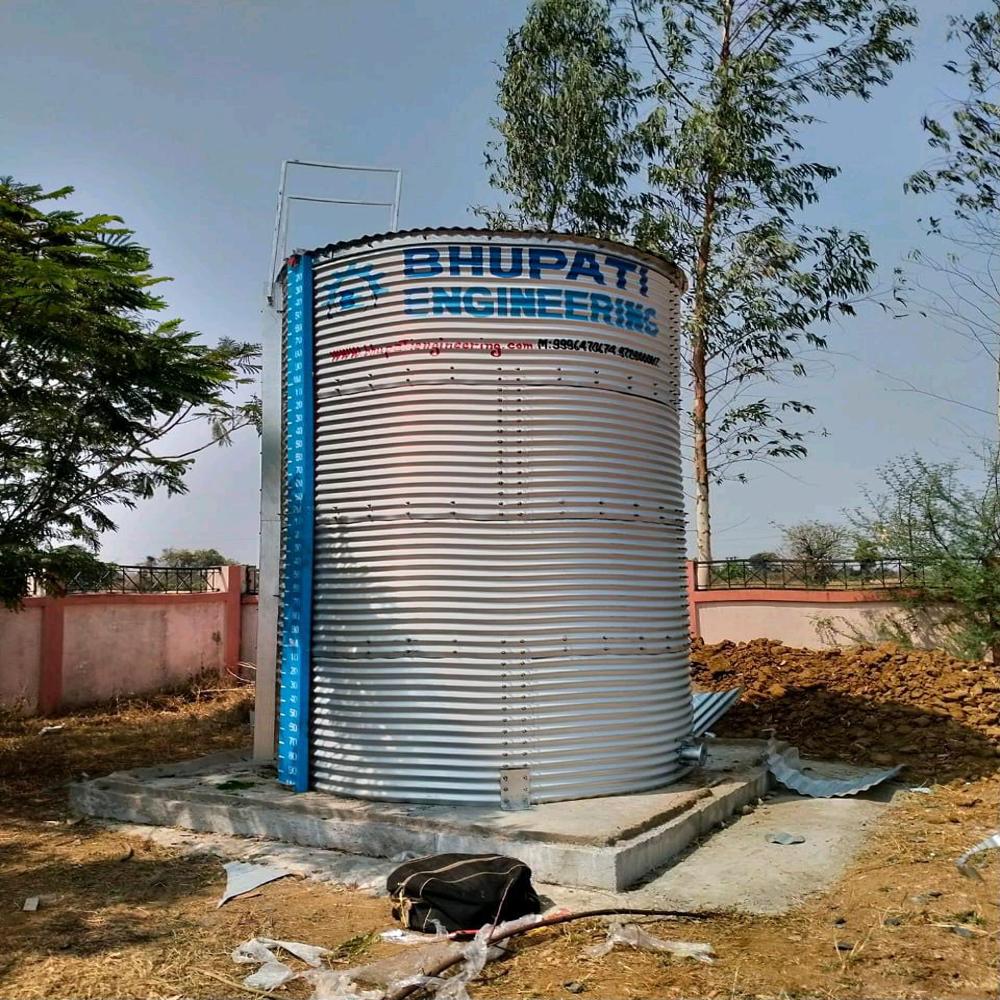
Zincalume ETP (Effluent Treatment Plant) tanks work by using a unique aluminum-zinc-silicon alloy coating for superior corrosion resistance, protecting the steel structure through barrier protection (aluminum) and sacrificial protection (zinc) to prevent rust, even in harsh industrial conditions, ensuring longevity for water storage and treatment by being easy to install, modular, and often featuring internal PVC liners to keep treated water pure and away from the tank wall.
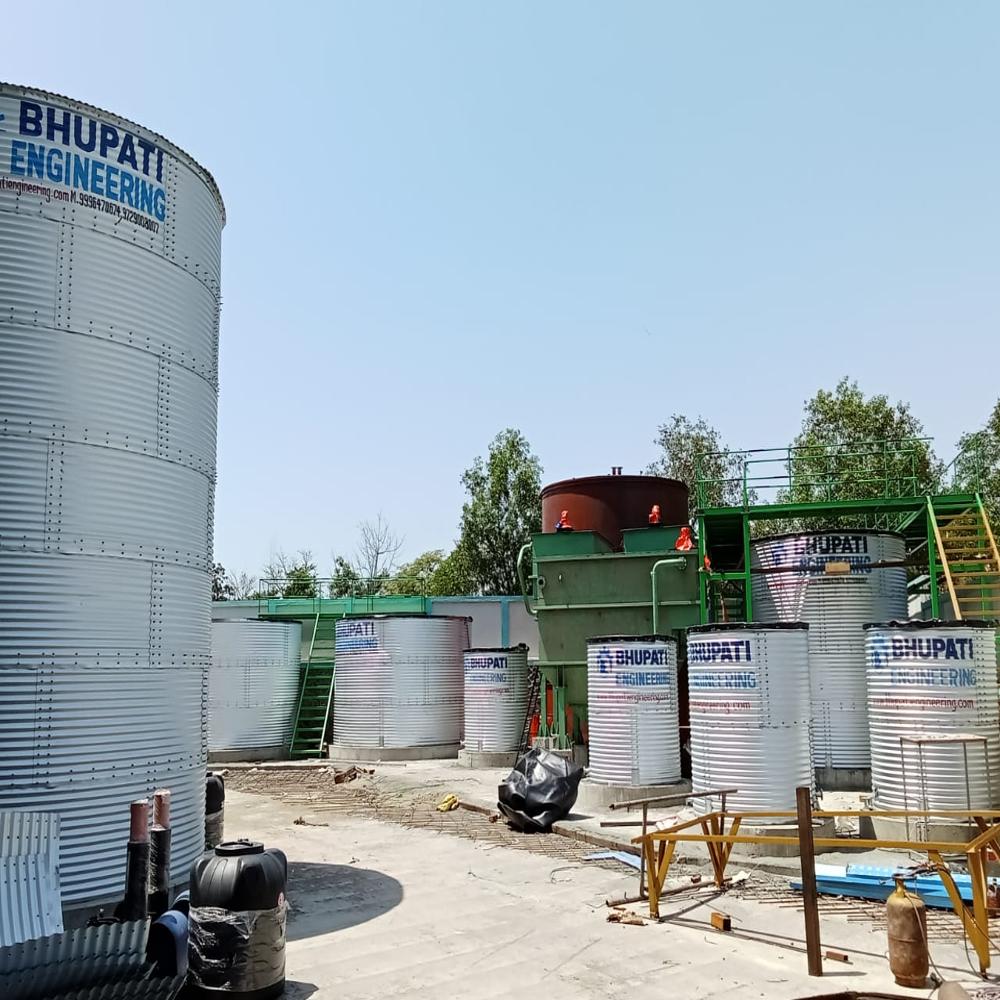
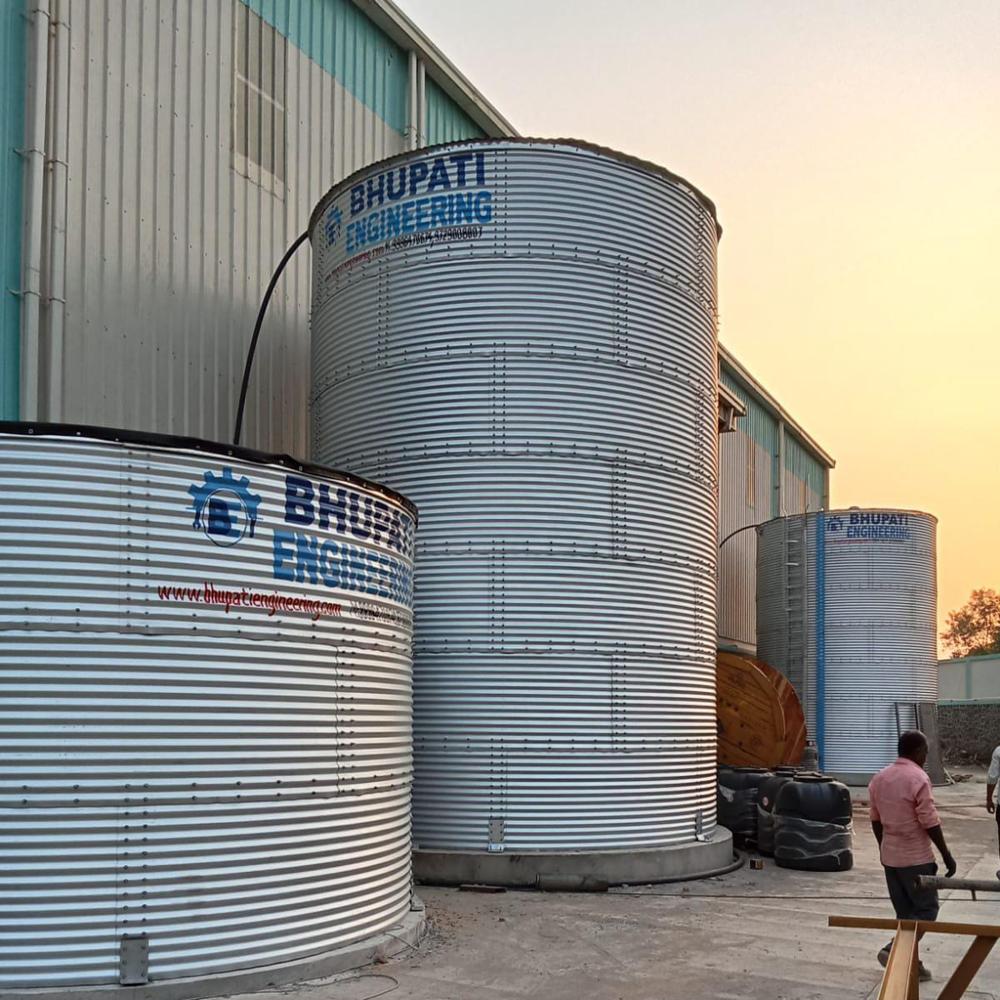
Bhupati Zincalume ETP tanks are corrosion-resistant, modular storage solutions designed for industrial wastewater, featuring a steel substrate coated with 55% aluminum, 43.5% zinc, and 1.5% silicon. These durable tanks, often utilizing food-grade PVC or HDPE liners, offer high-capacity, quick-assembly, and long-lasting performance for effluent treatment.
Material: Zincalume steel coating (55% aluminum, 43.5% zinc, 1.5% silicon) provides dual, sacrificial, and barrier protection against corrosion.
Durability: 34 times more durable than conventional galvanized tanks.
Design: Modular bolted design allows for fast installation, with capacities ranging up to 1,000,000+ liters.
Lining: Equipped with food-grade PVC or high-density polyethylene (HDPE) liners to prevent direct contact between the liquid and the tank wall.
Application: Suitable for effluent treatment plants (ETP), sewage treatment plants (STP),
Advanced Engineering for Water TreatmentThe BHUPATI ETP Tank is specifically designed to facilitate processing and storage of treated water, employing high-grade stainless steels like SS316, SS316L, SS304, and SS304L. Its sturdy construction and corrosion-resistant materials make it suitable for demanding industrial environments, maintaining water quality and operational safety.
Large Capacity and Standardized DimensionsFeaturing a substantial capacity of 40,000 liters and standardized dimensions (4.61 x 4 x 3.2 meters), this tank supports high-volume water treatment operations. Its sizable structure ensures smooth integration into various water processing plants, enhancing operational efficiency and storage capabilities.
FAQ's of BHUPATI ETP TANK:
Q: How is the BHUPATI ETP Tank used in water treatment processes?
A: The BHUPATI ETP Tank is integrated into water treatment systems to manage and store treated process water. Its corrosion-resistant stainless steel construction ensures safe containment, while the large capacity is suitable for processing and holding significant water volumes during industrial treatment cycles.
Q: What are the material grades available for this ETP tank?
A: This tank is manufactured from high-quality stainless steel grades including SS316, SS316L, SS304, and SS304L. These options offer excellent resistance to corrosion and are ideal for handling treated water, extending the lifespan of the unit in various conditions.
Q: When should I consider using the BHUPATI ETP Tank for my facility?
A: Facilities requiring reliable, high-capacity storage of treated water-such as industrial plants, water processing units, or wastewater treatment stations-should consider this tank. It is especially useful when durability and chemical resistance are vital to operations.
Q: Where is the BHUPATI ETP Tank primarily supplied or installed?
A: BHUPATI ETP Tanks are designed for both domestic and international markets. As a leading exporter, manufacturer, and supplier based in India, installations occur in diverse settings including industrial facilities, municipal plants, and commercial water treatment operations.
Q: What is the advantage of using a stainless steel tank for treated water storage?
A: Stainless steel tanks like the BHUPATI ETP offer superior durability, excellent hygiene, and outstanding chemical resistance. This ensures water quality is maintained and minimizes maintenance needs over time.
Q: How does the design benefit large-scale water treatment applications?
A: With its 40,000-liter capacity, standardized 4.61 x 4 x 3.2 meter dimensions, and robust engineering, this tank supports large-scale water treatment needs by accommodating higher volumes and streamlining operational processes.
Q: What is the process of integrating this tank into an existing treatment system?
A: Integration is straightforward thanks to the tank's standard size and adaptable design. It can be connected to existing pipelines and treatment modules, ensuring smooth addition to current infrastructure with minimal disruption.




 जांच भेजें


 जांच भेजें
 जांच भेजें
 एसएमएस भेजें
 मुझे निःशुल्क कॉल करें


